Species Spotlight: Santa Ana Sucker
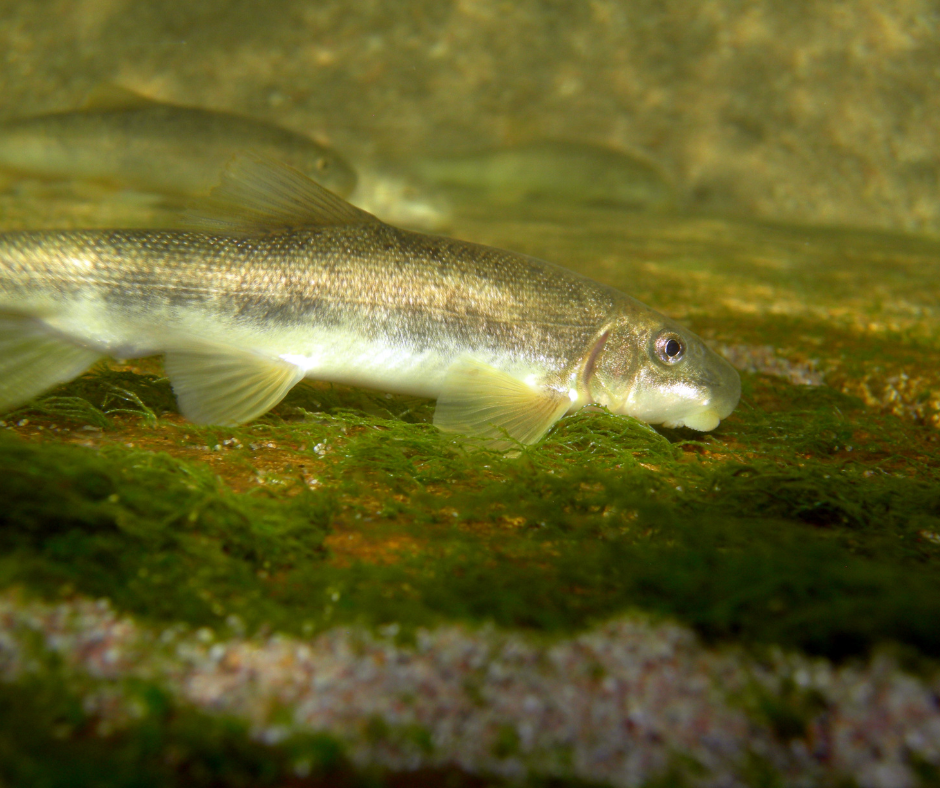
The Santa Ana sucker (Catostomus santaanae) may be a small freshwater fish, but it plays a big role in southern California’s river ecosystems. It has a dark gray back, a lighter belly, and a diet that includes algae, diatoms, detritus, and small aquatic insects. The sucker gets its name from its specialized mouth, which it uses to cling to rocks and feed.
Santa Ana suckers prefer shallow, clean and calm streams with coarse gravel, rubble, and boulders, often using algae and other vegetation for cover. They can live in just a few centimeters of water but also use deep pools for habitat.
Found only in the Santa Ana River, San Gabriel River, and Big Tujunga Creek, this federally threatened fish is just one of two fish species protected under the Western Riverside County MSHCP – the other is the arroyo chub.
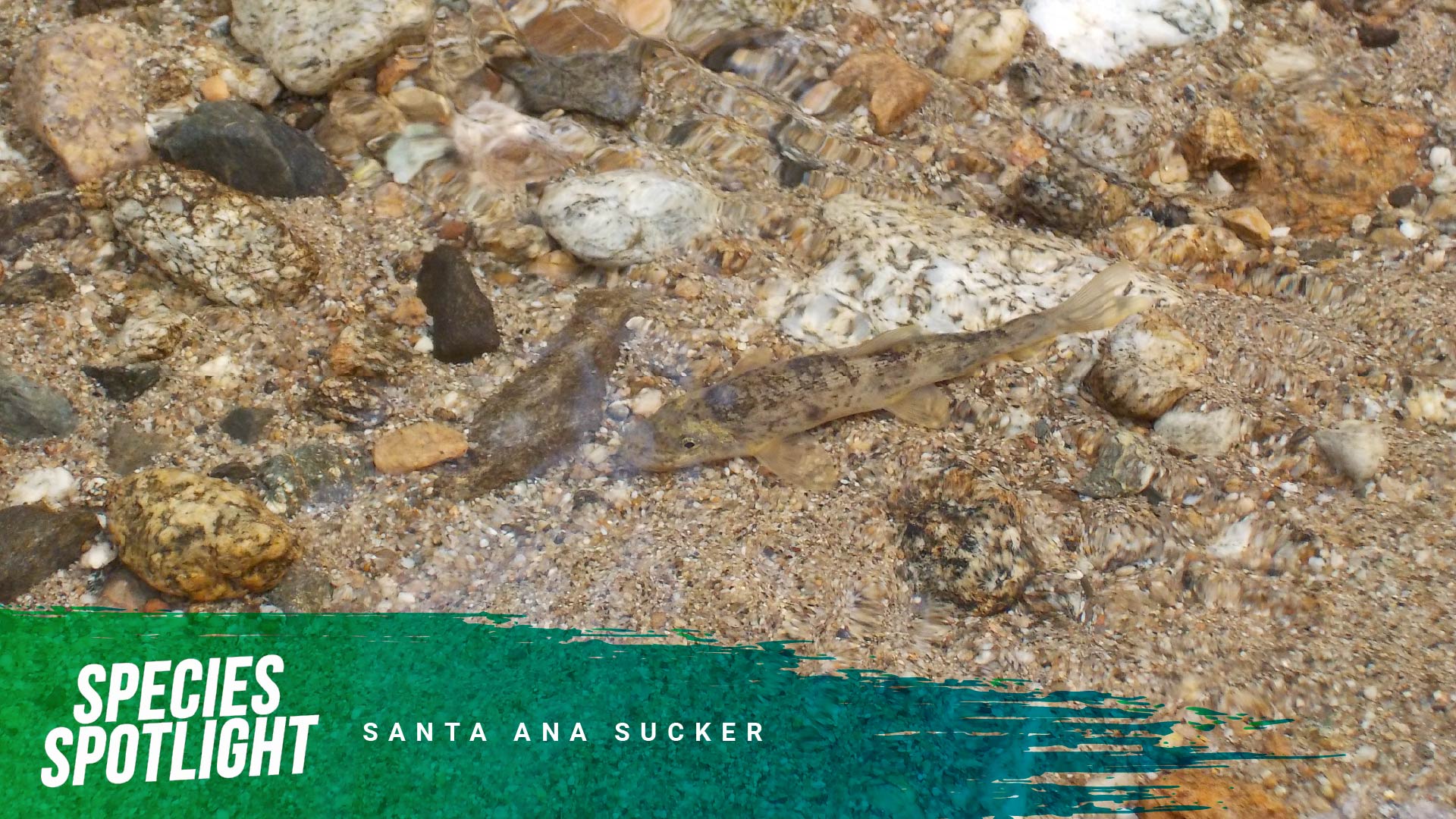
Due to its small size, the Santa Ana sucker is easy prey for others; however, despite its size, this species is an impressive breeder – females can lay 4,000 to 16,000 eggs! The abundance of offspring has a purpose, though, to help to quickly repopulate rivers and streams that have been affected by the boom-and-bust cycles of drought and flooding.
At only 3 to 4 inches long, the Santa Ana sucker faces big challenges. It is sensitive to habitat degradation, loss, drought, wildfires, and invasive species which makes conservation efforts especially important. Protecting the Santa Ana sucker has been a priority for many southern California conservation agencies.