

Exploring the JPR INC Reserve Lands: A Vital Habitat in Riverside County
Today, we’re exploring the JPR INC Reserve lands, located in the southeastern part of Riverside County. These lands play a crucial role in supporting existing habitats and protecting various species under the Multi-Species Habitat Conservation Plan (MSHCP).
The JPR INC Reserve lands were acquired early in the implementation of the MSHCP, primarily using Section 6 federal grant funding. They are now known as Anza Knolls, Winchester 700, JPR INC, JPR INC (6), and Silverado Ranch. These parcels are situated between the communities of Aguanga and Cahuilla, just east of the City of Temecula.
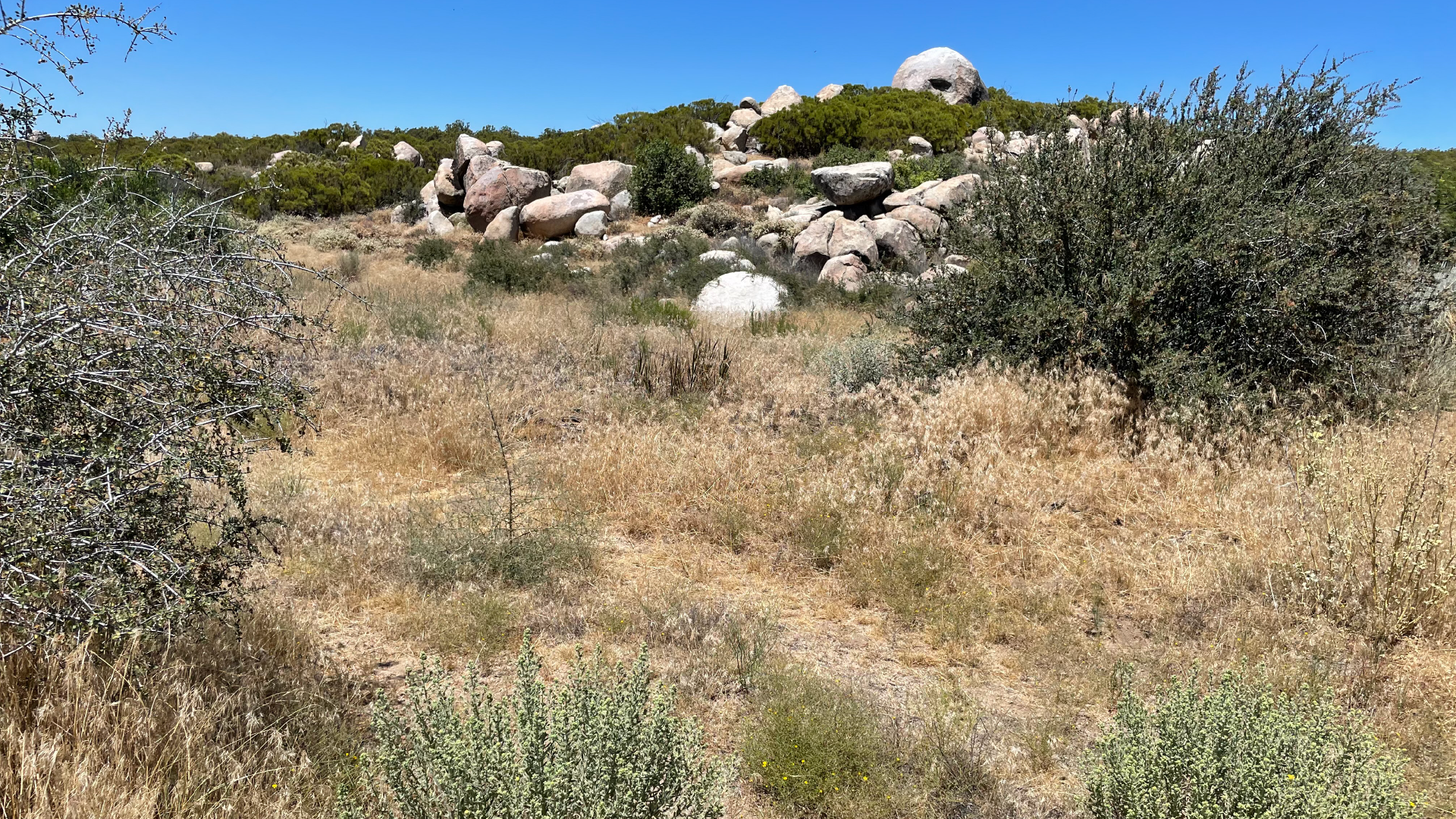
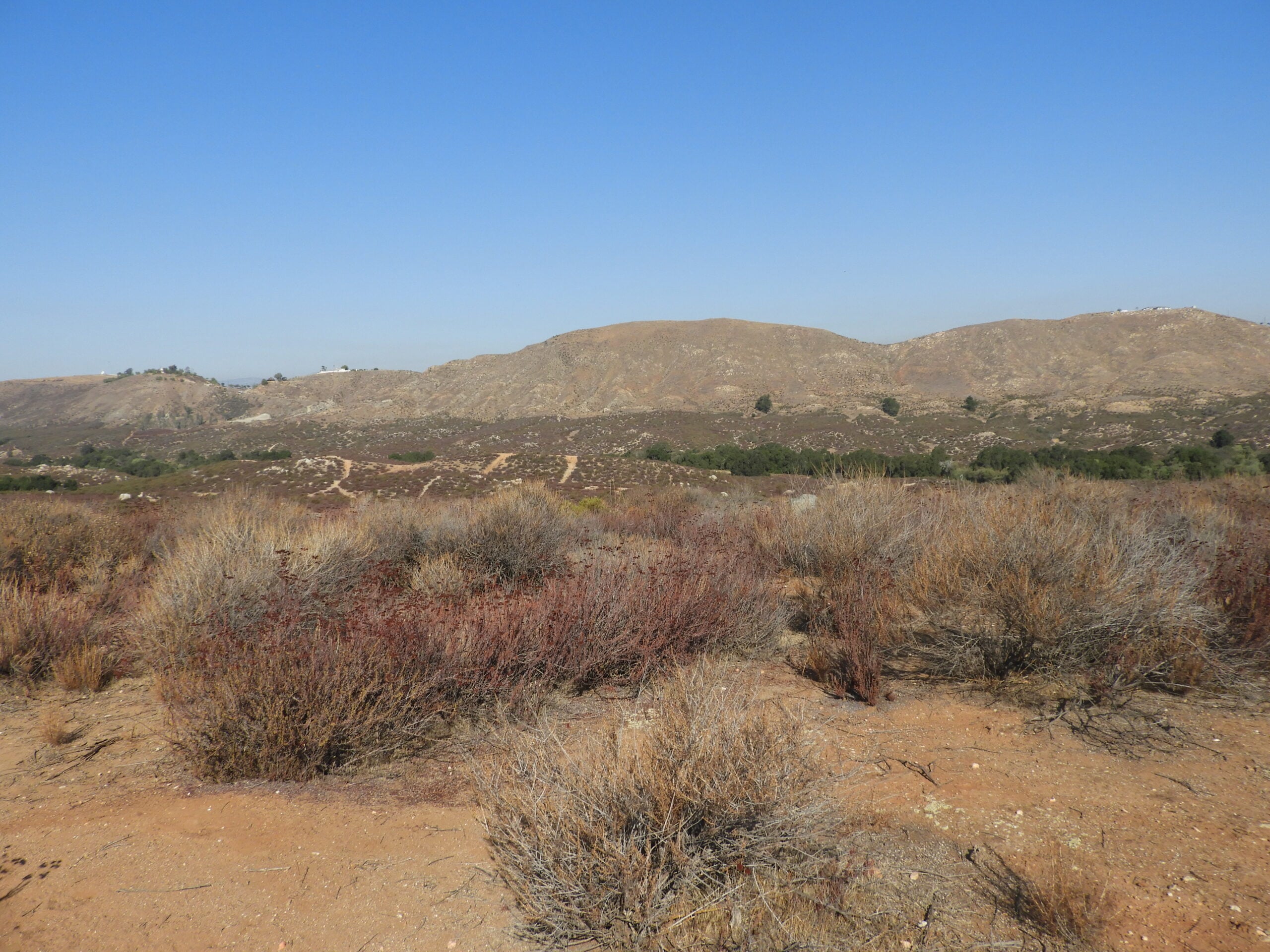
The JPR INC Reserve lands feature gently rolling hills adorned with chaparral, grassland, and desert scrub. These picturesque landscapes are dotted with rocky outcroppings, providing a stunning backdrop for their rich biodiversity. Photos from the Winchester 700 property showcases the lush chaparral habitat, while scenic views from the Anza Knolls property highlight the expansive desert scrub, with Beauty Mountain gracing the background.
To conserve these unique ecosystems, the RCA’s Biological Monitoring Program is actively surveying herpetofauna at the Anza Knolls property. Biologists have installed drift fencing among the rocky outcrops to document the variety of reptiles and amphibians residing in the area.
The JPR INC Reserve and its related reserves are vital to the Proposed Habitat Core 6 (also known as Silverado Ranch), which is set to encompass roughly 4,300 acres. As the RCA continues to acquire lands that strengthen connections among these important habitats, it is helping complete this core area and support ecological movement across the landscape.
These crucial connections will help safeguard habitats and promote landscape-scale movement and connectivity for species across the southeastern Plan Area, protecting species such as the Quino checkerspot butterfly, golden eagle, Stephens’ kangaroo rat, Aguanga kangaroo rat, Los Angeles pocket mouse, mountain lion, and bobcat.
Additionally, the JPR INC Reserves provide habitat for the mountain quail, the largest quail species in the United States and slightly larger than the California quail. With round bodies, short tails, and sturdy legs adapted for steep terrain, mountain quail are distinguished by chestnut, blue-gray, and olive-brown plumage accented with striking white markings. This property is especially important for the persistence of mountain quail populations, as it helps maintain contiguous habitat across elevation gradients for this migratory species, which is particularly vulnerable to habitat fragmentation.
Collectively, the JPR INC Reserve lands exemplify how strategic conservation investments can protect not only individual species, but the ecological processes that sustain them. By preserving large, contiguous, and topographically diverse habitats, these reserves strengthen landscape connectivity in a region increasingly shaped by fragmentation and development. From supporting wide-ranging mammals and sensitive rodents to enabling the seasonal movements of species like the mountain quail, these lands serve as a vital link in the broader conservation network envisioned under the MSHCP. As acquisition and management efforts continue, the JPR INC Reserves will remain instrumental in ensuring that biodiversity persists across generations, demonstrating the lasting value of proactive, landscape-scale conservation.